Skip to content




Cladding Cleaning and Restoration Services Across London
Our Reviews
EXCELLENTTrustindex verifies that the original source of the review is Google. We had our roof cleaned by LBC today and we are very happy with the outcome. The final result exceeded our expectations, with our 30-year old tiles looking fresh and like new. Nathan, Danis and Misha did a fantastic job over the 2 days, they arrived on time, were very friendly and left the garden and driveway very clean. They also went the extra mile to cover up a missing tile on our roof, fixed some broken guttering and removed some paint from our walls. I would highly recommend their services!Posted on GoogleTrustindex verifies that the original source of the review is Google. We had our roof cleaned of moss and general build-up. Kieran, Mishka, Dan and friends all did a wonderful job. They cleaned up the considerable mess this work generates really well and left the place in great condition. Very happy with all aspects of the service.Posted on GoogleTrustindex verifies that the original source of the review is Google. Very happy with the results and the service provided today. Thank you to Olek for all your hard work and professionalism. Highly recommendPosted on GoogleTrustindex verifies that the original source of the review is Google. Kieran and Danish with misha did a wonderful job and we thank them.Posted on GoogleTrustindex verifies that the original source of the review is Google. LBC cleaned our roof tiles and brickwork - it gave the house such a facelift and we are very happy with the results! I would highly recommend them.Posted on GoogleTrustindex verifies that the original source of the review is Google. I can’t recommend Nathan enough! From start to finish, he was the epitome of professionalism and courtesy. Nathan tackled my driveway with his jet wash equipment, and the results were absolutely stunning — it looks brand new! He was punctual, efficient, and clearly takes pride in his work, paying attention to every detail. Not only did he deliver an exceptional clean, but Nathan also made the whole process effortless and enjoyable. It’s rare to find someone who combines skill, reliability, and a friendly approach so perfectly. My driveway has never looked better, and I’ll definitely be calling LBC again for future jobs. I’m onto the next stage of sanding in a few days awaiting drying. Once the sanding is complete I will upload pictures to show proof of how fantastic the job went.Posted on GoogleTrustindex verifies that the original source of the review is Google. Big thanks to Kieran, Misha and Gabby for carrying out a great chemical clean inside the works unit while working from a cherry picker. The job was completed safely, efficiently and to a really high standard. Special mention to Kieran who went above and beyond to make sure everything was finished perfectly. A top effort from the whole team 👏Posted on GoogleTrustindex verifies that the original source of the review is Google. Nathan was so great! He worked hard to make sure the driveway was power washed so it was spotless. He got to work as soon as he arrived and worked so hard. Thank you
Get a FREE Cladding Cleaning & Restoration Quote
If you manage a commercial building where the cladding could use some TLC then contact us today for our commercial cladding cleaning & restoration services, get in touch now by calling 020 8088 0611 or fill in the form below to get a free roof cleaning quote today
"*" indicates required fields
About our service
Cladding cleaning is an important part of any commercial building maintenance. When not cleaned periodically cladding will start to deteriorate and change in appearance. This is from organic growth growing on the cladding due to the warm and moist atmosphere we have here in the UK.
Cladding will become black or green in appearance if left uncleaned.
This detracts from the overall look of the building and this is not how the building was intended to look.
When choosing a company to clean or restore your cladding its important you choose a professional, experienced cladding cleaning contractor as you want to ensure that the cladding will be cleaned without damaging the material.
Cladding can be made up of different materials, such as plastic metal or wood. A common material used for cladding is powder coated aluminium. This is popular as it is relatively cheap and hard wearing however, powder coated aluminium can easily fade over time from the sun leaving it dull and lifeless and not very visually aesthetic.
Roof Cladding Clean on Airport Hangar
Internal Cladding Cleaning at Waste Transfer Station
Cleaning an Airplane Hanger!
FAQ's
Depending on the exact material used to clad the building and the condition of the cladding we have a range of cleaning methods which include soft washing, steam cleaning or pressure washing. We always select the method that will give them best cleaning results without damaging the surface. Although High pressure washing may be the fastest way to clean green and black staining from cladding it isn’t the method we select every time, this is because pressure washing may be too harsh and aggressive depending on the condition of the cladding. Its important when cleaning cladding that we don’t remove any of the powder coating or paint from the surface.
Cladding restoration is treating the cladding to bring it back to it’s original condition. The restoration oil penetrates the surface, re-wetting the pigments to restore their colour which has been lost through exposure to sunlight, rain, and pollution and it also gives corrosion protection. When used on tarnished metals, it brings back the shine and gives long-term protection against corrosion.
Our restoration oil dries to a tough and long-lasting flexible finish which does not leave a film – so it won’t peel or flake.
Commercial cladding cleaning typically costs between £3 and £30 per square metre. The price depends on the material, how contaminated it is, the building height and what access is needed. We provide free site visits and fixed-price quotes. Call 020 8088 0611 to arrange yours.
Most commercial buildings need cleaning every 12 to 24 months. Metal cladding should be checked every 6 months to stay ahead of corrosion. If you can already see green or black streaking, the clean is overdue.
It depends on the material. Soft washing is the right choice for most cladding types including uPVC and powder-coated aluminium. DOFF steam cleaning works well on more robust or heavily contaminated surfaces. We assess every job on-site before recommending a method.
Not always. High pressure can strip powder coatings from aluminium and damage uPVC or composite panels. We select the right pressure for each surface and we will only recommend pressure washing where the cladding can safely handle it.
We apply specialist biocidal detergents at the correct dilution and use soft washing to remove the growth. A post-treatment biocide then slows regrowth significantly. This treats the cause rather than just removing what is visible on the surface.
For most cladding in damp or shaded environments, a post-clean biocide treatment is a good idea. It slows organic growth coming back and extends the results of the clean. Where cladding has faded, a restoration treatment can recover much of the original colour and protect the surface going forward.
A standard commercial clean takes one to three days depending on the size and access requirements. Larger jobs needing cherry picker or rope access may take longer. We give you a clear timeline as part of your quote so you can plan around the work.
In most cases yes. Soft washing cleans thoroughly without any risk of surface damage, and the results last longer because the chemistry kills organic matter at the root. That said, the right method depends on the material and the condition of the surface. We will always recommend what is best for your specific building.
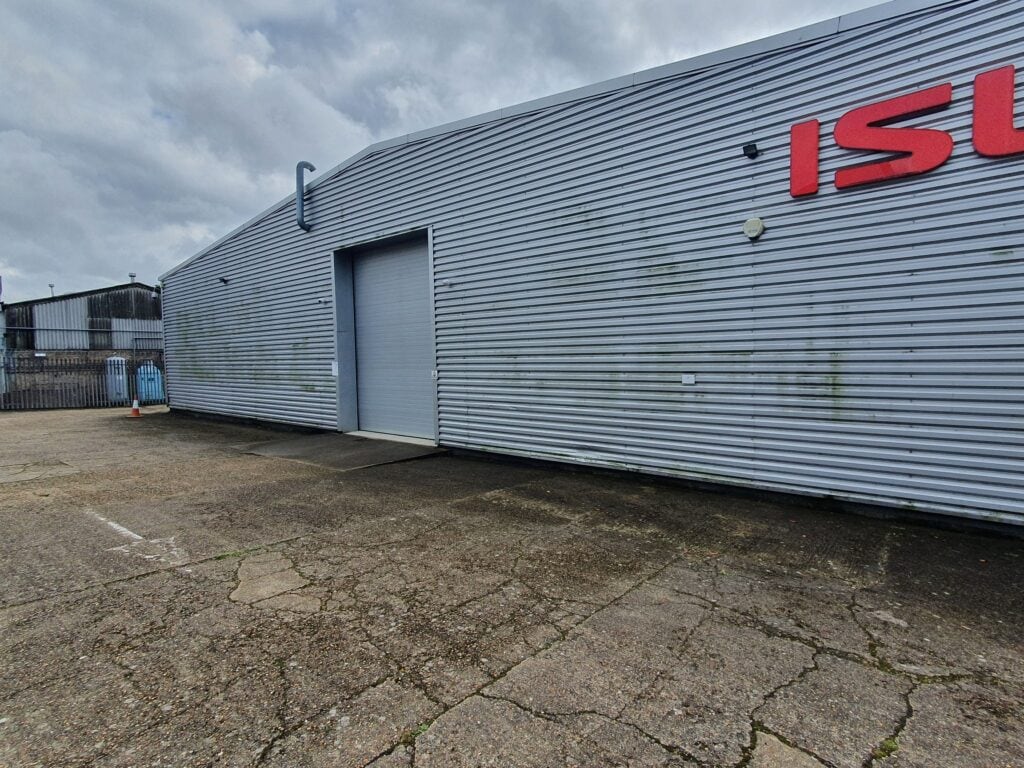
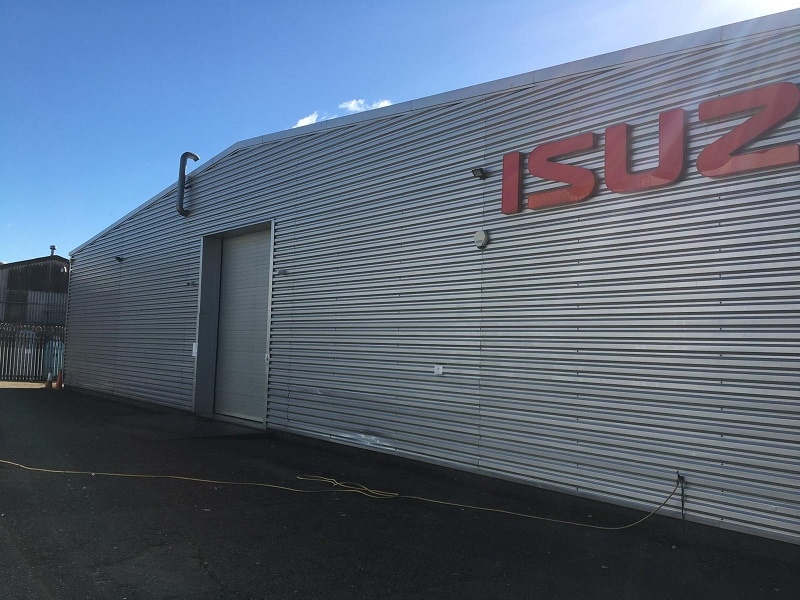
Cladding Restoration
As well as cleaning organic staining from cladding which often involves pressure washing, steam cleaning or pure water and soft brush cleaning methods, Restoration is a completely different process.
Sunlight, rain and pollution can cause powder coated aluminium cladding to loose its colour, we use a specially designed product to reverse this process and restore the powder coated cladding to its former glory.
The product we use is a deep penetrating oil that restores the original look and finish to gelcoat, plastic, metal and other cladded surfaces.
The product also protects against corrosion and blemishes
About Our Cladding Cleaning Service
Cladding cleaning is one of those things that is easy to put off. The building still looks reasonable, there are other priorities, and the cost can feel like an unnecessary spend. But the UK climate is not kind to cladding. Damp, mild conditions are ideal for algae, moss and lichen. Once organic growth gets established it spreads quickly, and it does not just look bad.
Biological growth holds moisture against the surface. On powder-coated aluminium that softens the coating. On metal panels it can accelerate corrosion. What starts as a cleaning job can quietly turn into a restoration job, or eventually a replacement job, if it is left too long.
Choosing the right cleaning company also matters more than people expect. Different cladding materials respond very differently to pressure, heat and cleaning chemicals. Too much pressure on powder-coated aluminium can strip the coating. The wrong detergent on uPVC can leave it looking worse than before. We always assess the material properly before we start, and we will never use a method that risks damaging the surface.
Cladding Types We Clean
Different materials need different approaches. Here is how we handle each one.
Metal and Powder-Coated Aluminium Cladding
This is the most common cladding type on commercial buildings in London. Powder-coated aluminium is durable but it does fade over time from UV exposure, and it picks up pollution streaking quickly on busy roads. The coating is also vulnerable to aggressive cleaning, so we use controlled soft washing with pH-neutral detergents. This removes the build-up without dulling or stripping the finish.
uPVC and Plastic Cladding
uPVC discolours easily from algae and airborne dirt but it cleans well when you use the right method. High pressure can cause micro-abrasion on the surface over time, leaving it duller than it was. We use low-pressure soft washing with chemistry that is safe for plastic surfaces. The result is thorough and streak-free.
Composite and Coated Panels
Composite panels need the most careful handling. A lot of manufacturers include cleaning specifications in their warranty terms. Using the wrong pressure or chemicals can void a warranty as well as cause visible surface damage. Our team has experience with a wide range of composite cladding systems and we follow manufacturer guidance wherever it applies.
Timber and Wood-Effect Cladding
Timber cladding is particularly prone to mould and organic growth in the British climate. After cleaning, a biocide treatment is strongly recommended to slow regrowth. Where the surface has gone grey or dried out from UV exposure, a wood restoration oil can make a significant difference. We offer both as part of a full cladding maintenance service.
Our Cladding Cleaning Methods
We do not take a one-size-fits-all approach. Every job starts with an on-site assessment. We look at the material, the surface condition, the type of contamination and the access requirements. Then we select the right method, or combination of methods, to get the best result safely.
Soft Washing
Soft washing uses low water pressure with specialist biocidal cleaning solutions. It is the safest and most effective method for most cladding types including uPVC and powder-coated aluminium. Because the chemistry kills organic matter at the root rather than just blasting the surface, results last considerably longer than pressure washing on its own.
DOFF Steam Cleaning
We are Rosette-approved DOFF contractors, accredited by Stonehealth who manufacture the DOFF system. The machine produces superheated steam at very low pressure, making it highly effective for stubborn biological growth and ingrained contamination on more robust surfaces. It is the system most commonly specified for sensitive and heritage building work.
Controlled Pressure Washing
For some cladding types and contamination levels, controlled pressure washing is the right tool. We adjust the pressure and nozzle configuration to suit the surface. We will only recommend pressure washing where the material can safely handle it. We never use high pressure on powder-coated, uPVC or composite cladding.
Cladding Restoration
Where powder-coated or painted cladding has faded badly, a clean alone will not bring back the original appearance. This is common on south-facing elevations that have had years of UV exposure. We apply a specialist restoration oil that penetrates the surface and re-wets the pigments, recovering much of the original colour and gloss. It costs a fraction of full replacement and is often what is needed to meet FRI lease-end requirements.